In this article
Vital signs are the objective part of each visit: weight, temperature, heart and respiratory rate, capillary refill, gum color and body condition. PetSoph stores them over time so you can see the weight evolution and the trend of each constant, not just a one-off number.
Getting there
- Clinical → Vital signs and add a record to the selected pet.
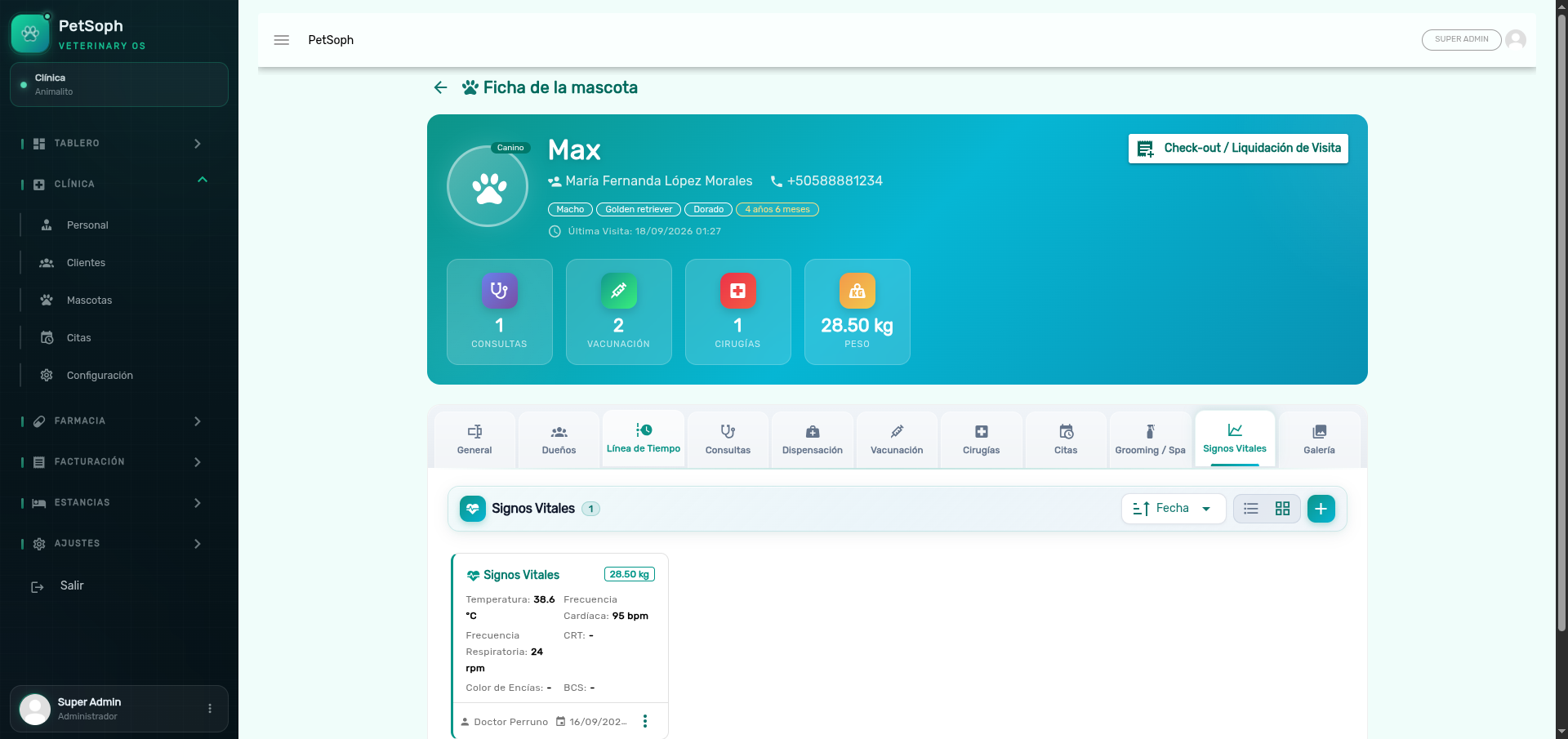 Figure 1. Vital signs log (weight, temperature, heart rate, and respiratory rate).
1. The fields of a vital sign record
| Field | What it is for |
|---|---|
| Record date | Date of the reading (used for evolution) |
| Weight | In kg |
| Temperature | In °C |
| Heart rate | Beats per minute (heartRate, bpm) |
| Respiratory rate | Breaths per minute (respiratoryRate, rpm) |
| Capillary refill time | Seconds (CRT) |
| Gum color | Assessment of the mucosa (pink, pale, cyanotic…) |
| Body condition score | BCS 1–9 (body condition score) |
| Observations | Free text |
Weight is the star of the module
Weight shows in its own card in the clinical record and feeds the weight evolution chart, the most useful graph for monitoring chronic patients (obesity, cachexia, growth).
Register weight on every single visit. The chart is only as good as the data: a single firmly registered weight per month is enough to see the trend of a chronic patient.
2. Weight evolution and body condition
PetSoph lets you compare weight and BCS over time. This is the tool to:
- Detect silent weight gain (predisposing to diabetes, joint problems).
- Verify recovery after a surgery or illness.
- Monitor growth of puppies and kittens.
Vital signs don’t replace the physical exam: they are the objective complement. If a temperature is high or a CRT slow, the weight chart alone doesn’t explain it — record the observations and the clinical context.
What’s next
- The clinical record: the vitals tab and its summary cards.
- Medical consultation: where the physical exam findings are registered.
- Consolidated check-out: settle the whole visit in one invoice.